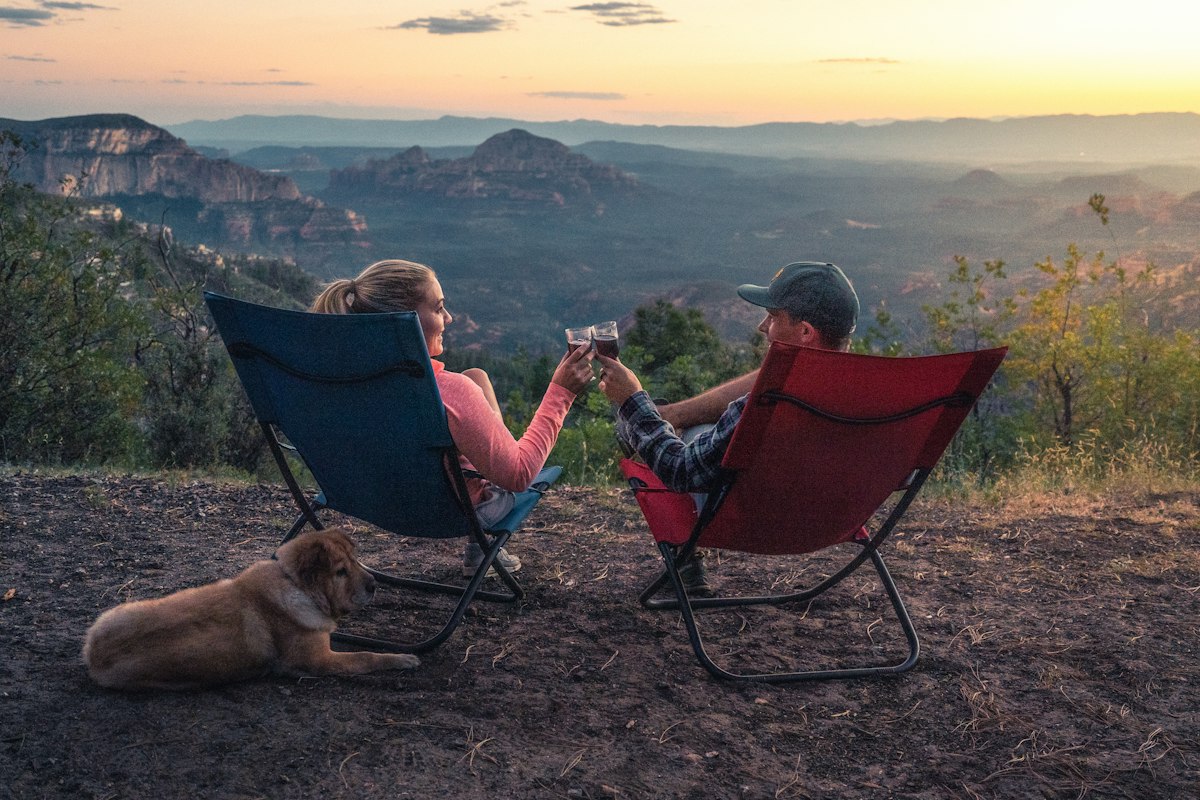
A shared meal can turn an ordinary camping evening into a memorable one. A campground potluck gives neighbours a chance to swap favourite recipes, welcome new arrivals, and enjoy time together without asking one person to prepare everything. The best gatherings are also simple, considerate, and safe for everyone at the table.
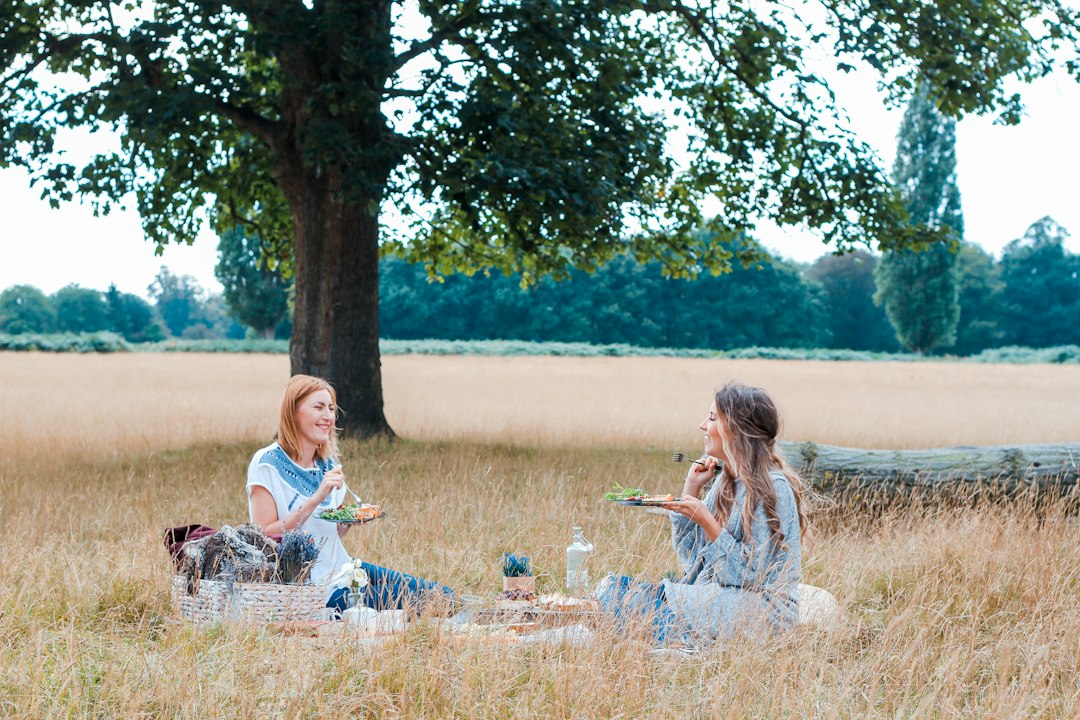
Whether you are organizing an informal meal with a few neighbouring RVers or helping coordinate a larger group gathering, a little planning makes a difference. Use this guide to organize a welcoming potluck, keep food at safe temperatures, and make cleanup easier.
1. Check the campground rules and choose a practical setup
Before inviting people, confirm that group gatherings and shared food service are permitted in the area you plan to use. Check current site rules about noise, parking, fires, pets, waste disposal, and the use of shared spaces. Do not assume that a picnic table, shelter, electrical outlet, or cooking facility will be available; arrange the gathering around what has actually been approved and confirmed.
Choose a level spot with enough room for people to move safely around the serving area. Keep walkways, RV access lanes, emergency routes, and neighbouring sites clear. If the weather changes, have a simple backup plan rather than moving the gathering into an RV or enclosed space without checking whether that is appropriate.
2. Make the invitation clear and low-pressure
A short message is usually enough. Include the date, start and finish time, location, and whether guests should bring a main dish, side, dessert, or drink. Let people know that store-bought contributions and non-food help—such as napkins, serving utensils, or cleanup—are welcome too.
Ask guests to mention major ingredients and common allergens on a small card beside each dish. People have different dietary needs, and a label is more useful than asking everyone to guess what is in a casserole or sauce. If a guest has a serious allergy, encourage them to speak directly with the host about ingredients and possible cross-contact. Never promise that a dish is allergen-free unless its ingredients and preparation can genuinely be verified.
3. Plan a balanced menu without making it complicated
For a relaxed potluck, variety matters more than quantity. Invite a mix of dishes that can be served with minimal preparation: a hearty main, a vegetable or salad, bread, fruit, and a dessert. Ask people to bring food ready to serve whenever possible. That reduces the need for extra cooking equipment and keeps the gathering moving.
Think about transport before choosing a recipe. Foods that need constant refrigeration or careful reheating can be harder to manage when several vehicles are involved. If someone is bringing a perishable dish, ask them to transport it in an insulated cooler or hot-holding container and to bring any serving utensil it needs.
4. Keep cold food cold and hot food hot
Food safety is the part of a potluck that deserves the most attention. Health Canada identifies 4°C to 60°C (40°F to 140°F) as the temperature danger zone where bacteria can grow quickly. Keep cold perishable food at or below 4°C (40°F), and keep hot food at or above 60°C (140°F). A food thermometer is more reliable than judging temperature by touch.
Use coolers with enough ice packs for chilled dishes, and keep the lid closed between serving periods. For hot dishes, use suitable insulated carriers or approved hot-holding equipment. Do not leave a perishable dish sitting out simply because the air feels cool. Outdoor temperatures can change, and food on a table is not the same as food held safely in a refrigerator or insulated carrier.
Health Canada advises discarding perishable food left at room temperature for more than two hours; on hot summer days, the limit is one hour. For a long gathering, put out smaller portions and keep the rest chilled or hot until needed. When the safe time or temperature is uncertain, discard the food rather than tasting it to decide.
Review Health Canada’s food-safety tips for outdoor cooking and food transport and its guidance for buffets and travelling with food before the event. The same basic principles apply to a shared outdoor meal.
5. Set up serving areas to prevent mix-ups
Give each dish its own serving spoon, tongs, or other utensil. Keep raw foods separate from ready-to-eat dishes during transport and preparation, and use clean containers and surfaces. Avoid topping up an old serving tray with fresh food; replace it with a clean tray instead. These small habits help reduce cross-contamination and make it easier for guests to identify what they are taking.
Place hand-cleaning supplies where people can find them, and ask everyone to wash their hands before handling shared food. If clean running water is not available at the gathering point, bring an appropriate handwashing setup and follow public-health guidance. Keep pets away from serving tables and food-preparation areas.
6. Make the gathering comfortable for different campers
A welcoming potluck does not need a formal program. Introduce people who have not met, keep music and conversation considerate of nearby campers, and make it easy for guests to come and go. If children are attending, choose a setup where adults can supervise them without blocking vehicle routes or cooking areas.
Offer a few non-food options for joining in: bringing a reusable table covering, helping carry supplies, taking a group photo with permission, or assisting with cleanup. This keeps participation flexible for people with dietary restrictions, different budgets, or limited space in their RV.
7. Finish with a simple cleanup plan
Before the meal starts, decide who will collect rubbish, pack away serving equipment, and check the area afterward. Bring containers for leftovers, but only keep food that has been handled and held safely. Refrigerate suitable leftovers promptly in shallow containers; do not save food that has spent too long at unsafe temperatures.
Leave the gathering spot as tidy as—or tidier than—you found it. Check the ground for small items, wipe down tables if permitted, and dispose of waste in the designated place. A thoughtful cleanup is part of being a good campground neighbour.
A good potluck is about connection, not perfection
The most successful campground potlucks are not the ones with the biggest menu. They are the ones where people feel welcome, food is handled carefully, and everyone can enjoy the time together. Keep the invitation simple, confirm the rules for your chosen space, label dishes, manage temperatures, and make cleanup part of the plan.
With those basics covered, a shared meal can become an easy way to build community—one plate and one conversation at a time.