
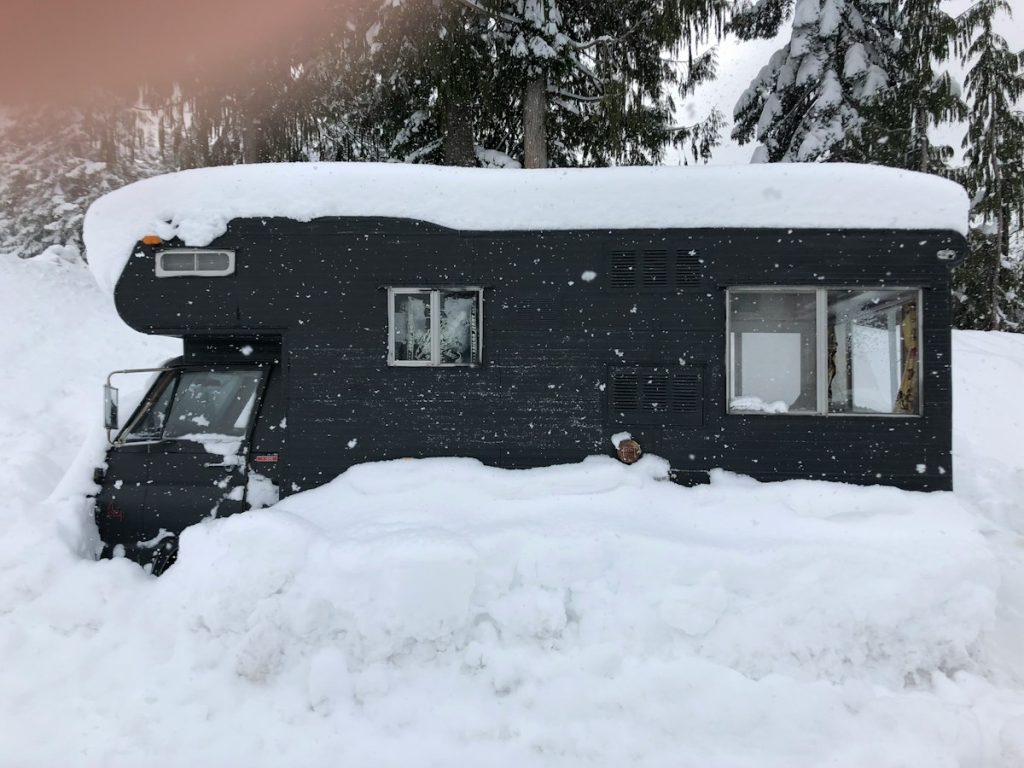
Start with an exterior inspection
Walk around your RV in daylight and look for cracked sealant, loose trim, damaged vents, soft spots, or signs of water intrusion. Photograph anything that needs attention so you can track repairs before spring. A small leak can become a bigger problem during freeze-thaw cycles.
Protect the water system
If your RV will face freezing temperatures, follow the winterization procedure for your exact model. Drain the tanks, water heater, and low-point drains as directed. Use only products and steps approved by the manufacturer; if you are unsure about a bypass valve or filter, ask a qualified RV technician.
Check tires, batteries, and appliances
Inspect tire condition and pressure, and maintain or store batteries according to their type and manufacturer guidance. Turn off propane appliances and disconnect utilities as appropriate. Do not improvise repairs on unfamiliar systems.
Keep the interior clean and dry
Remove food and rubbish, wipe surfaces, and dry damp fabrics. Check cupboards and storage compartments for moisture or musty odours. Moisture-control products may help, but they do not replace fixing leaks or following the RV maker’s ventilation guidance.
Make a spring service list
Write down repairs, missing supplies, tire details, and anything that should be checked before the next trip. Keep manuals, receipts, and photos together so you can pick up where you left off.
Check local conditions and resort rules
Weather near Strathmore can change quickly in autumn. Check the forecast before working outdoors and confirm any site departure, utility, or storage requirements directly with the campground.
Every RV and campground has its own requirements. Check your owner’s manual, current local guidance, and resort policies before making safety, maintenance, or booking decisions.