
Plan around flexible ingredients
Choose ingredients that work in more than one dish: vegetables, beans, pasta, rice, canned tomatoes, broth, and seasonings. A short plan reduces waste and limits how much food needs refrigeration.
Try a hearty vegetable soup
Sauté suitable vegetables, add broth and beans or lentils, then simmer until tender. Keep raw and ready-to-eat foods separate and follow safe food-handling practices. If using meat, cook it to a safe internal temperature with a food thermometer.
Make a skillet meal
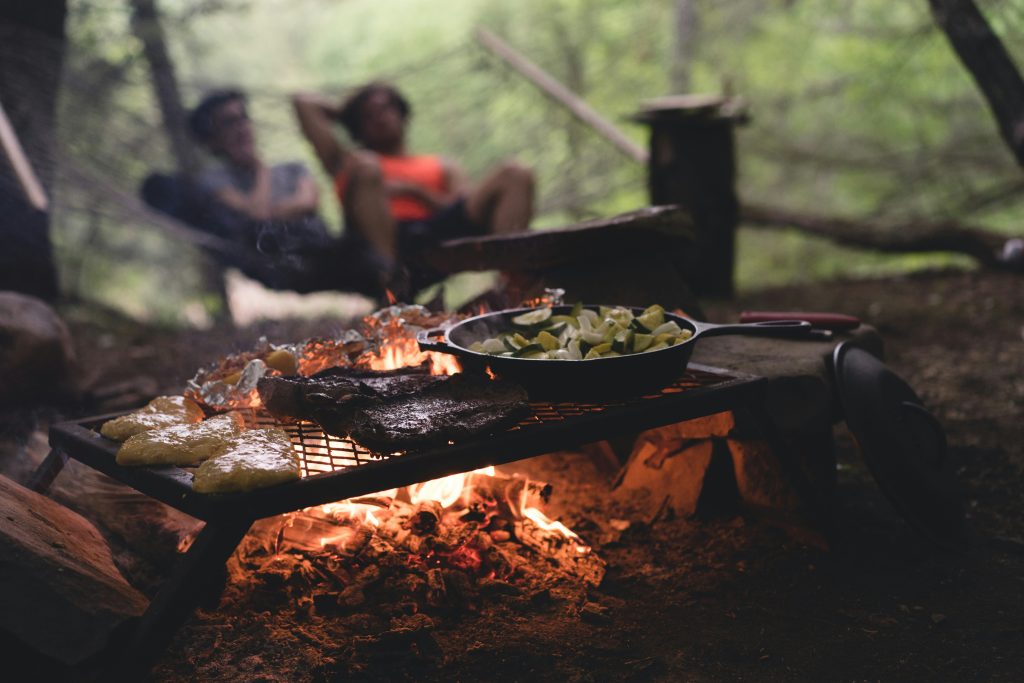
Potatoes, vegetables, and a protein can become a filling meal in one pan. Cut ingredients into similar sizes so they cook evenly, and never leave food unattended on a stove or grill. Follow the appliance maker’s ventilation and safety directions.
Prepare breakfast ahead
Oats, eggs, or a simple skillet breakfast can be prepared with minimal equipment. Measure dry ingredients at home and pack them in sealed containers. Keep perishable ingredients chilled and return them to refrigeration promptly.
Clean as you go
Bring only the utensils you need, use reusable containers, and wipe down food-preparation surfaces. Store leftovers safely and dispose of food waste according to campground rules so wildlife is not attracted to the site.
Keep a backup plan
Wind or rain can make outdoor cooking inconvenient. Have a simple indoor or no-cook meal ready and follow your RV’s cooking and ventilation instructions.
Every RV and campground has its own requirements. Check your owner’s manual, current local guidance, and resort policies before making safety, maintenance, or booking decisions.