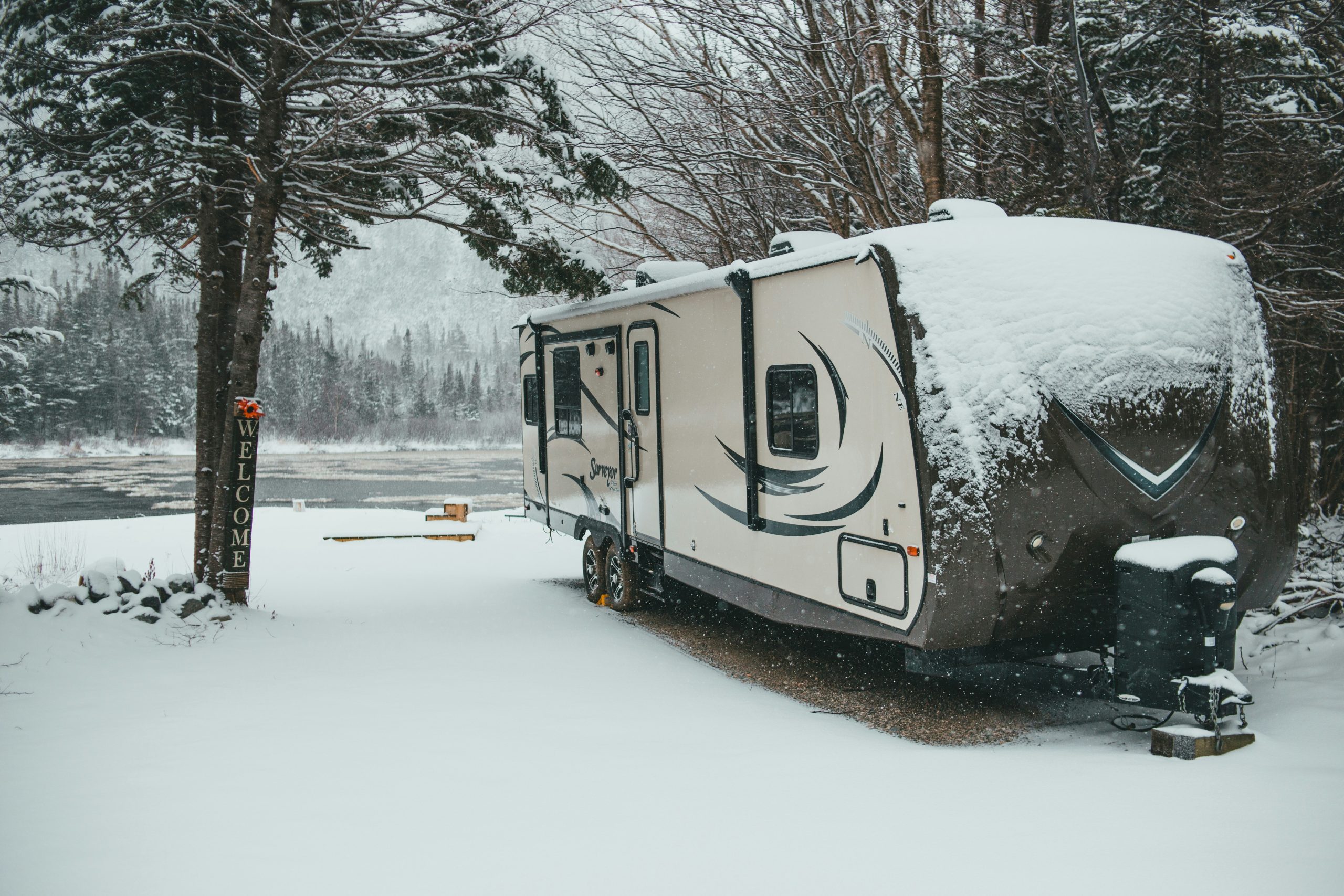
As autumn gives way to colder weather across Alberta, RV owners have an important job to do before putting their vehicles away for the season. A little preparation now can help prevent frozen plumbing, battery problems, moisture damage, and unwanted visitors while an RV is in storage.
For campers around Strathmore and the surrounding prairie region, temperatures can change quickly. The right time to prepare is before freezing conditions arrive—not after water lines have already been exposed to a hard freeze. Every RV is different, so use the manufacturer’s manual as your primary guide and ask a qualified RV technician when a system is unfamiliar.
1. Start with the water system
Water left inside pipes, pumps, faucets, or tanks can freeze and expand, potentially cracking fittings and causing leaks that may not become obvious until spring. If the RV will be stored through freezing weather, follow the manufacturer’s winterization procedure.
- Empty and clean the fresh-water and wastewater tanks according to the RV manual.
- Drain the water heater only after it has cooled and pressure has been released.
- Open the designated low-point drains and check faucets, showers, and exterior water connections.
- Use only RV-specific, non-toxic antifreeze if the manufacturer’s procedure calls for it. Never use automotive antifreeze in the drinking-water system.
If you are unsure how to bypass the water heater or protect the pump, have an RV service professional complete the work. A missed low point or hidden appliance line can still hold water.
2. Protect batteries and electrical equipment
Cold weather and long periods without use can affect battery performance. Fully charge batteries and follow the battery manufacturer’s storage instructions. Depending on the battery type and the RV’s electrical setup, that may mean disconnecting it, removing it for suitable storage, or using an approved maintainer.
Do not assume every battery should be stored in the same way. Lithium batteries, in particular, can have different charging and temperature requirements from lead-acid batteries. Turn off unnecessary electrical loads and check the manual before disconnecting anything.
3. Clean out food and reduce the risk of pests
Food crumbs, pantry items, and scented products can attract rodents and insects while an RV is parked for weeks or months. Remove perishable and packaged food, empty rubbish bins, vacuum cupboards and floors, and wipe down kitchen surfaces.
Inspect openings around utility lines and storage compartments. Use suitable, RV-safe methods to discourage pests without blocking required ventilation or damaging wiring and plumbing.
4. Check the roof, seals, and exterior
Before storage, inspect roof seams, vents, windows, doors, and slide-out seals for visible gaps or damage. Water entering through a small opening can lead to dampness, mould, or more serious problems during freeze-thaw cycles.
Clean the exterior and allow it to dry. If a seal needs repair, use a product compatible with the RV’s roof and exterior materials. When in doubt, ask a service professional rather than applying a general-purpose sealant.
5. Give tires and the parking area some attention
Check tire pressure against the vehicle or tire manufacturer’s recommendations, inspect for visible damage, and protect tires from prolonged exposure to direct sunlight where practical. Choose a stable, level parking location and use wheel chocks as appropriate.
Follow the owner’s manual for the correct use of leveling equipment. Stabilizing jacks are not necessarily designed to support the RV’s full weight.
6. Manage moisture inside the RV
Even a clean RV can develop musty odours if moisture becomes trapped. Dry wet fabrics, remove items that may freeze or spoil, and use moisture absorbers where appropriate. If the manufacturer permits it, leave selected cupboard doors open to encourage airflow. Make sure the refrigerator is cleaned and stored according to its manual.
Check the interior periodically if the RV is stored nearby. A quick inspection can reveal a leak, pest activity, or condensation before it becomes a larger issue.
7. Secure propane and fuel systems safely
Turn off appliances and follow the RV and propane-cylinder manufacturers’ instructions for storage. Check hoses and visible fittings for wear, and never ignore the smell of propane. If you suspect a leak, leave the area, avoid ignition sources, and contact a qualified professional.
Owners of motorhomes should also follow the engine manufacturer’s recommendations for fuel, fluids, and generator storage. Towable RVs have different needs, so avoid applying motorhome procedures to every type of unit.
8. Make a simple record for spring
Before closing the RV, write down the steps you completed. Note which tanks were drained, which filters were removed, whether the water heater was bypassed, how the batteries were stored, and any repairs that still need attention. Photos of valves and connections can also make spring start-up easier.
When warmer weather returns, reverse the winterization steps carefully. Flush and sanitize the water system as directed, restore the normal water-heater configuration, reconnect equipment, and check for leaks before using the RV.
Plan ahead for the next camping season
Seasonal RV ownership is easier when the end of one camping season is treated as the beginning of preparation for the next. A careful inspection and a written checklist can help protect your investment and make the first trip of spring less stressful.
For current seasonal dates, site information, and resort policies, contact Eagle Lake RV Resort directly. Details can change from year to year, so confirm the latest information before making travel plans.