An Alberta road trip can look straightforward on a map and feel very different once late-autumn weather arrives. Snow, ice, shorter daylight, changing visibility and long stretches between services all affect how comfortably an RV can travel. A little route planning before departure helps you make safer decisions, protect your schedule and avoid treating a scenic road as an ordinary highway.

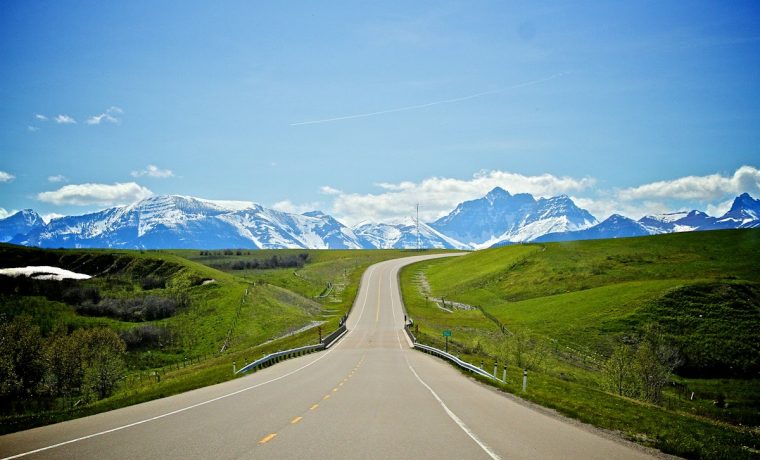
Image: A snowy mountain landscape in Alberta. Photo by K. K. via Unsplash.
Whether you are towing a travel trailer, driving a motorhome or planning a shorter regional getaway, use these seven checks to build a flexible route. Road and weather information changes, so this is a planning guide—not a live road report. Always check official updates for your exact route before setting out.
1. Plan around conditions, not just distance
Navigation apps are useful for estimating distance, but a winter RV itinerary needs more than a kilometre count. A route that is manageable in dry summer weather may take much longer when pavement is snow-covered, visibility is reduced or traffic slows behind maintenance equipment.
Build extra time into the day and identify a sensible place to stop if conditions deteriorate. Avoid planning a tight arrival that depends on maintaining summer highway speeds. If a storm, freezing rain or poor visibility develops, postponing the drive is often the better decision than trying to keep the original schedule.
2. Check 511 Alberta before every travel leg
511 Alberta is the Government of Alberta’s official traveller-information service. It provides highway condition reports, roadwork, major incidents and weather alerts. Review the map for the roads you actually intend to use, not only the first highway leaving town.
Learn the meaning of the report labels before you need them. For example, 511 Alberta defines “Travel Not Recommended” as conditions unsuitable for non-essential travel; a road marked “Closed” is not a route to attempt. Check the report again shortly before departure because conditions can change. The service notes that updates are not necessarily provided hour by hour, so continue to use sound judgement and follow posted signs and official instructions.
For a safer routine, check the route the evening before, again in the morning and whenever you are considering a major change of direction. Have a passenger review updates or pull over somewhere safe before using a phone—never interact with the map while driving.
3. Treat mountain roads as a separate planning decision
Scenic mountain routes can be memorable, but they may involve limited services, rapidly changing weather and stretches without mobile coverage. The Parks Canada guide to the Icefields Parkway, for example, describes the 232-kilometre road between Lake Louise and Jasper as a remote route with limited services and no cell coverage. It advises travellers to prepare in advance and check road and weather conditions.
There is also a specific seasonal tire requirement to know: Parks Canada says snow tires or tire chains are mandatory on the Icefields Parkway from November 1 through March 31, and at other times when the road is covered with snow and ice. Check the current Parks Canada guidance and road report before travelling; do not assume a requirement for one route applies to every Alberta highway.
Because services are limited along this corridor, Parks Canada recommends filling the fuel tank before entering the Parkway and carrying what you need for the journey. It also says the route should not be treated as a winter alternative to major through-highways. If you are considering it with a large RV or trailer, verify current vehicle suitability and any applicable restrictions before committing to the route.
4. Make sure the route suits your RV and tow vehicle
A road that appears on a map is not automatically the best choice for every motorhome or trailer combination. Before leaving, review the route for steep grades, tight turns, construction, narrow shoulders, low clearances and places where turning around may be difficult. Check official notices and the vehicle or trailer manufacturer’s limits rather than guessing from photographs or a general navigation estimate.
Think about the whole combination: vehicle height and length, trailer width, loaded weight, braking performance and the driver’s comfort with winter conditions. If you are unsure whether a particular road is appropriate, choose a more suitable route or get advice from a qualified RV professional. A slightly longer drive on a road that better matches your rig can be the more practical choice.
5. Map fuel, food and overnight options before remote stretches
Do not assume every community or scenic stop will have open fuel, groceries, repair services or an available place to stay when you arrive. Check operating information directly with businesses or park operators, and confirm whether reservations or seasonal restrictions apply. Keep a backup stop in mind in case weather or road conditions change your plan.
For longer or more remote legs, start with a comfortably fuelled vehicle and carry drinking water, food, warm clothing and essential medication. If your route crosses an area with limited services, plan the distance between reliable stops rather than relying on the next pin shown in a navigation app.
6. Inspect the vehicle before towing or travelling
Alberta’s Safer Winter Highways guidance recommends checking tires—including the spare—battery, belts and hoses, antifreeze, brakes, heater, defroster and windshield wipers. Those checks are a useful starting point for the tow vehicle. Also inspect the RV or trailer according to its owner’s manual, including tires, lights, brakes, hitch components and any systems that need cold-weather preparation.
Use tires appropriate for the conditions and confirm pressure when the tires are cold. Make sure all exterior lights work, windows and mirrors are clear, and snow or ice is removed before driving. If you notice a mechanical problem, do not assume it will improve once you are on the highway—have it checked before the trip.
7. Prepare for weak cell service and an unexpected stop
Download maps and important trip details before entering an area where coverage may be unreliable. Save reservation information, contact numbers and the addresses of planned stops offline. Tell someone your intended route and expected arrival time, especially if you are travelling through a remote area.
Keep a winter emergency kit in the tow vehicle and make sure it is accessible. Useful basics include warm layers, blankets, gloves, a flashlight, first-aid supplies, drinking water, non-perishable food, a phone charging option and equipment appropriate to your vehicle. Alberta’s guidance for blizzards and extreme cold also advises checking 511 before travel and avoiding driving during severe conditions when possible.
A simple pre-departure routine
The evening before: review the forecast and 511 reports, confirm stops, check opening information and share your route with someone. Before moving: inspect the tow vehicle and RV, secure loose items, clear windows and lights, and confirm that everyone knows the plan. At each major stop: reassess the weather, road reports, daylight and your own comfort level before continuing.
Keep the itinerary flexible. If official information says travel is not recommended or a road is closed, change the plan. Reaching a destination later—or choosing another day—is preferable to pushing an RV combination into conditions that are beyond the driver’s experience or the vehicle’s capability.
Make the route part of the preparation
An enjoyable Alberta RV trip begins well before the engine starts. Check official road reports, understand the special demands of remote scenic routes, confirm that your vehicle is ready and plan for the possibility of delays. With realistic timing and a backup plan, you can spend less energy reacting to surprises and more time enjoying the journey.
Useful official resources: 511 Alberta road reports · Alberta winter highway safety · Alberta guidance for blizzards and extreme cold · Parks Canada: Travelling the Icefields Parkway.