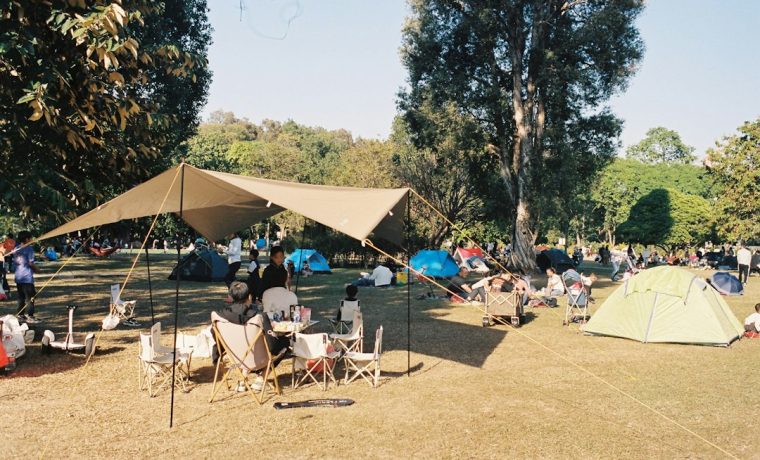
A shared meal, seasonal get-together or informal outdoor activity can help campers meet one another and make a campground feel welcoming. The most successful gatherings are usually the ones that are easy to join, considerate of different needs and simple to clean up afterwards.
Before organising anything, check the campground’s actual rules and ask the property manager about permission, location, noise limits, fire restrictions and any conditions for group use. Do not assume that a shared space is available or that an event is approved simply because it has been used in the past.
Start with a realistic plan
Decide what kind of gathering you are organising, who is invited and how long it will last. A small coffee meet-up needs different arrangements from a potluck, craft activity or outdoor game. Keep the first plan modest, especially when the number of participants is uncertain.
Choose a location only after the campground confirms that it is suitable. Consider the distance from occupied sites, accessible paths, parking, washrooms and the amount of space needed. Keep emergency access and vehicle routes clear at all times.
Make participation comfortable
Give people a clear start and finish time and explain what they should bring, if anything. Offer a no-pressure way to take part; some guests may prefer to observe or attend briefly. Consider seating, shade or weather protection, mobility needs and a quieter spot for people who prefer lower noise.
Share practical information in advance rather than relying on a last-minute announcement. If the weather changes, have a simple alternative or be ready to cancel. Do not move a gathering into an indoor or private area without permission.
Handle food with care
For a potluck or shared snack table, keep hot foods hot and cold foods cold, use clean serving utensils and provide a way for guests to identify common allergens when possible. Avoid leaving perishable food out for long periods. Anyone preparing food should wash hands and use safe storage and transport practices.
Do not assume that a campground has a kitchen, refrigerator or waste service available for the event. Bring only the equipment you are allowed to use and confirm where food waste and packaging should go.
Keep the sound and footprint small
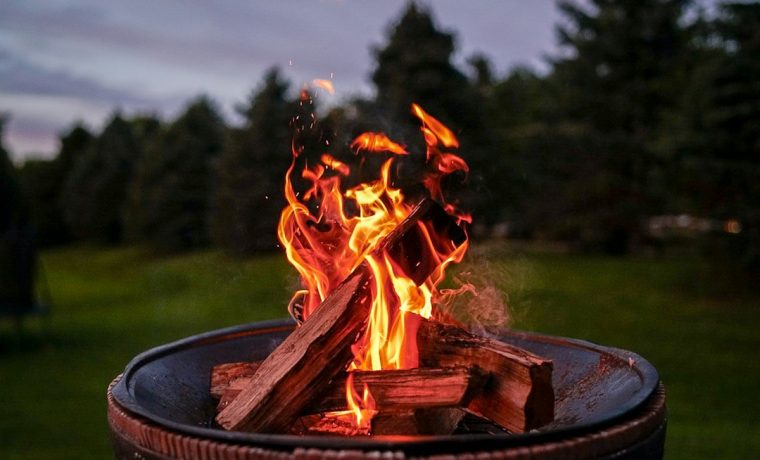
Music and group conversations can carry farther than expected between RV sites. Follow posted quiet hours and any sound restrictions, and keep amplified audio low or leave it out entirely. Avoid fireworks, open flames or cooking appliances unless the campground’s rules explicitly allow them and current fire restrictions have been checked.
Use reusable cups, plates and utensils where practical. If disposable items are needed, set up clearly labelled waste and recycling containers according to the campground’s local system. Do not burn packaging or leave food scraps outside; both can create safety and wildlife problems.
Assign cleanup before the gathering begins
Decide who will bring bags, wipe tables, collect loose items and return the area to its original condition. A short closing checklist is easier to follow than asking everyone to remember at the end. Check under tables, around seating and along nearby paths for small items that can be missed in low light.
Take all event materials away unless the campground has approved a specific storage arrangement. Report any damage or maintenance issue to staff rather than attempting an unapproved repair.
Make the event inclusive and safe
Keep walkways clear for mobility devices, children and emergency access. Make sure activities are suitable for the people attending and that a responsible adult supervises children. If pets are present, follow the property’s leash and waste rules and keep animals away from food preparation areas.
For larger gatherings, ask the property manager whether additional insurance, permits or safety arrangements are required. The organiser should know how to contact campground staff in case of an incident and where the approved meeting area is located.
Build community through good habits
A positive campground gathering does not depend on elaborate decorations or a packed schedule. It depends on clear communication, respect for neighbours and a shared commitment to leaving the area clean. When guests feel welcome without being pressured to participate, and the space is returned in good condition, a simple event can strengthen the sense of community while respecting the people who came for a quiet stay.