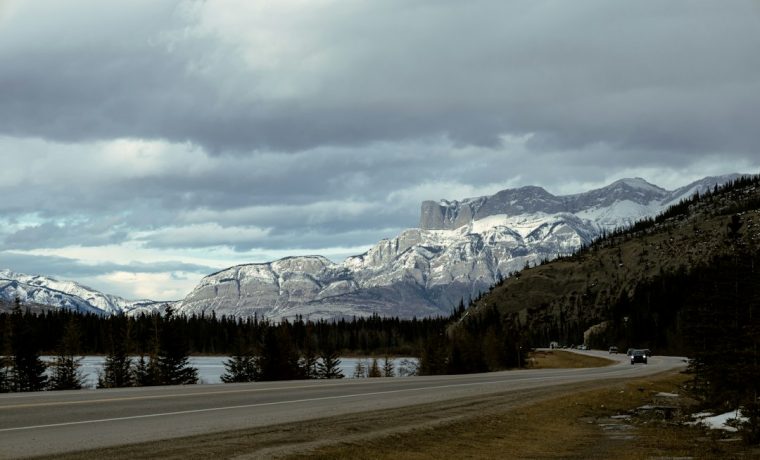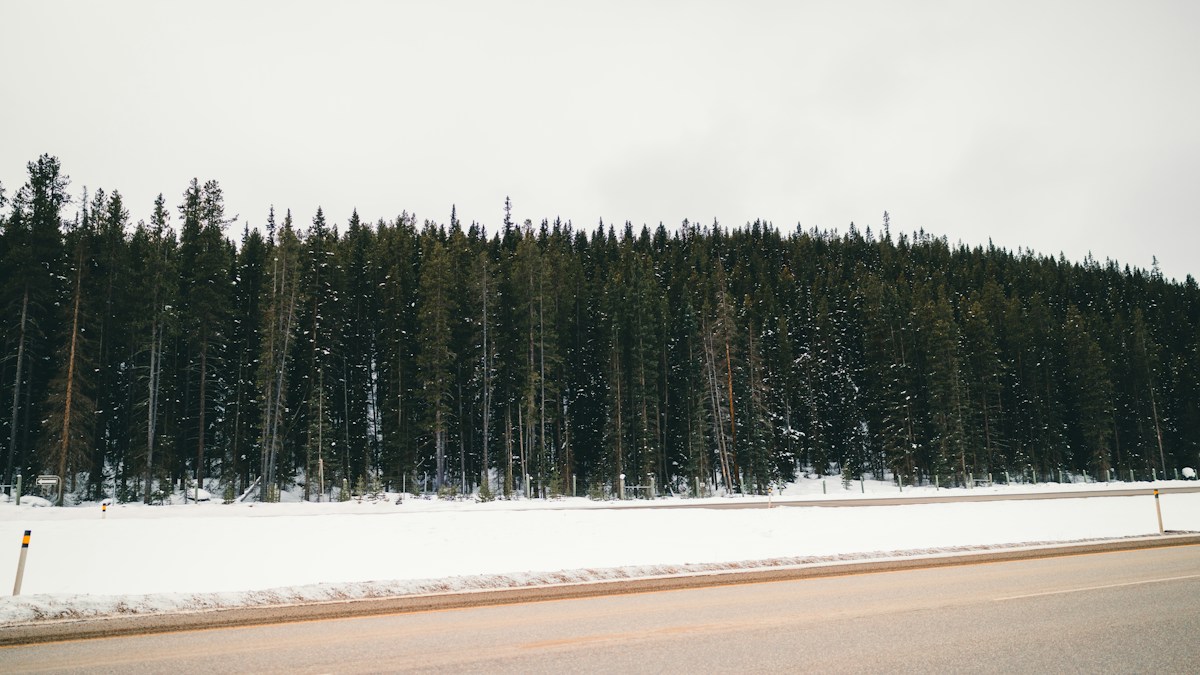
A winter RV journey through Alberta is easier to manage when the itinerary has room to change. Snow, wind, visibility and road conditions can shift faster than a fixed timetable allows. Instead of planning every stop to the minute, build a route with check-in points, daylight margins and a clear decision about when to pause.
This guide is a planning framework, not a live route report. Check current road and weather conditions before departure and again during the trip. The Alberta 511 service provides highway conditions, incidents, construction information and travel alerts for provincial routes.
Choose the route before choosing the stop
Start with the roads you expect to use, not just the destination. Check whether your route includes exposed sections, mountain passes, construction zones or roads where services are widely spaced. Review official travel information for closures, collisions, reduced visibility and other advisories, and keep an alternate route in mind where one is practical.
Do not assume that a shorter route is automatically the safer route. A slightly longer highway with better services or more flexible stopping options may be easier to manage than a narrow or unfamiliar road during poor conditions. Follow posted restrictions and avoid roads that are closed or unsuitable for your vehicle.
Set daylight-based travel limits
Winter daylight is limited, and driving an RV in darkness can make it harder to see road edges, wildlife, ice and changing conditions. Estimate driving time conservatively and allow room for fuel, food, weather checks and rest. Choose a realistic time to stop for the day rather than letting the final destination dictate the decision.
If conditions deteriorate, delay departure or stop in a safe and permitted location. Do not continue simply to preserve a reservation time. Contact the campground if your arrival estimate changes and follow the instructions it provides.
Prepare the RV for cold weather
Before travelling, inspect tyres, lights, wipers, battery condition, heating systems and any cold-weather equipment recommended for your RV. Understand how the vehicle’s water system should be managed in freezing temperatures. Some RVs have specific procedures for tanks, hoses and exposed plumbing; use the manufacturer’s instructions rather than a general internet checklist.
Keep warm clothing, gloves, blankets, food, drinking water and any necessary medications accessible inside the vehicle. Carry suitable emergency equipment, including a first-aid kit, flashlight, phone charger, traction aids appropriate for the vehicle and basic tools. Store items so they cannot become projectiles during sudden braking.
Plan stops with the services you actually need
Before choosing a stopover, verify that it accepts your vehicle type and that the dates and services you need are available. Check the property’s current access instructions, winter operating status and any site-specific requirements directly with the operator. Do not assume that water, sewer, electrical service or access roads are available throughout the winter.
Keep fuel and food plans flexible. In rural areas, opening hours and service availability can vary, so check directly before relying on a particular stop. Carry enough supplies to manage a delay without depending on a single shop, restaurant or fuel station being open.
Keep monitoring conditions during the drive
Before each major leg, review Alberta 511 and the latest forecast. Check again before entering a more exposed or remote section. A road report is a snapshot, not a guarantee that the road will remain unchanged. If warnings increase, visibility falls or the vehicle begins to handle differently, reduce speed and look for a safe place to reassess.
Tell someone your broad route and expected arrival time. Let them know if you change the plan. In areas with limited phone service, agree on a check-in arrangement that does not depend on continuous connectivity.
Make room for rest and recovery
Cold-weather travel can be tiring even when the driving distance is modest. Take breaks before fatigue becomes serious and share driving only when the other driver is appropriately licensed and comfortable handling the RV. If you are too tired to continue safely, stop somewhere lawful and secure rather than pushing on.
Use a flexible stopover checklist
- Check official highway conditions and weather before departure and during the route.
- Choose a safe daylight stopping target and keep an alternative in mind.
- Verify campground access, winter operating details and the services actually available.
- Carry warm clothing, food, water, first-aid supplies and vehicle-specific emergency equipment.
- Share the route and update someone when plans change.
A flexible winter itinerary is not a sign of poor planning. It is a realistic response to changing conditions. By giving yourself time, monitoring official road information and confirming each stop directly, you can make an Alberta RV journey more comfortable and safer for everyone travelling with you.