Published November 14, 2026 · 5–6 minute read
Poker is often described as a game of skill, but that description needs context. Players make decisions using probability, incomplete information, position and observations about opponents. At the same time, cards are dealt randomly, short-term outcomes can be unpredictable and even a well-reasoned decision can lose. Understanding both sides of the game is essential for anyone studying poker as a competitive activity or simply trying to understand why it attracts such a following.
Why poker is different from a simple game of chance
In a game where every player receives a random outcome and has no meaningful choices, the result is driven almost entirely by chance. Poker adds decisions. A player chooses whether to fold, call, raise or check, and those choices can affect the amount of money committed to a hand. Position also matters: acting later can provide more information about what other players have done.
However, decisions are made with incomplete information. Players cannot see opponents’ private cards, and the community cards can change the strength of a hand. The fact that skill influences decisions does not mean that a player can predict the next card or guarantee a winning session.
Probability is useful—but it is not a promise
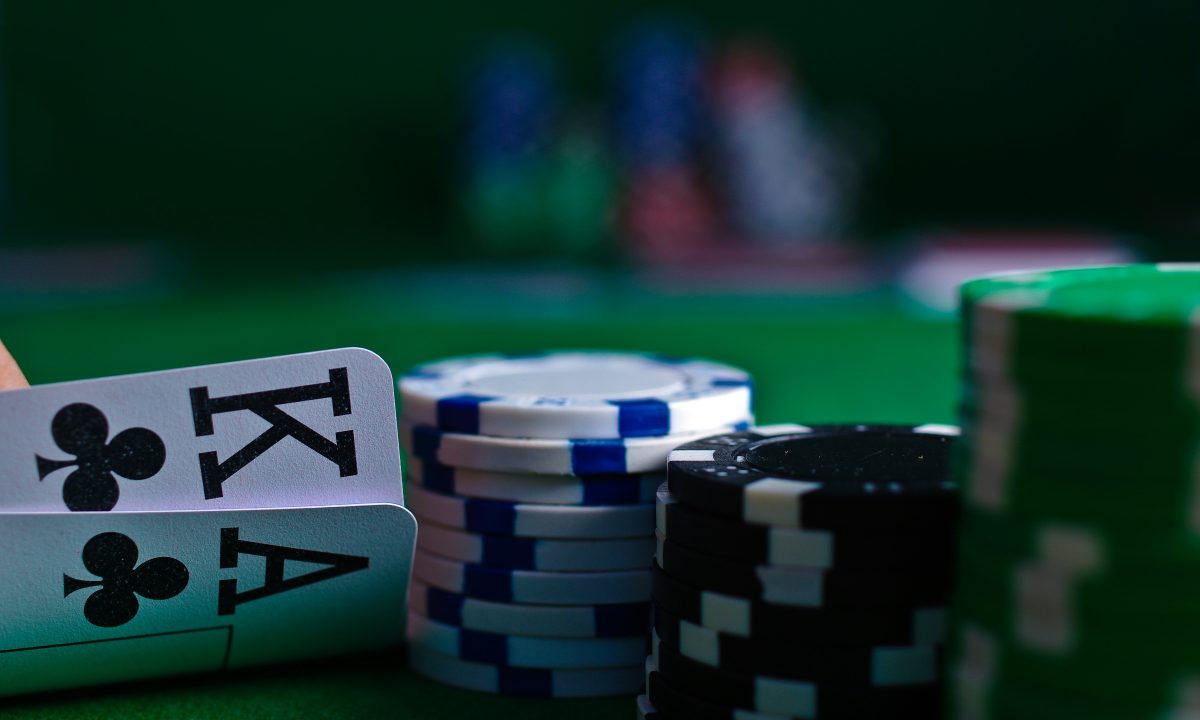
Basic probability helps explain how often certain combinations may appear. In Texas Hold’em, for example, each player receives two private cards and uses them with five community cards to make the best five-card hand. Knowing the number of unseen cards and the possible ways a draw can improve gives a player a framework for evaluating a decision.
Yet probability describes long-run frequencies, not what must happen in the next hand. A draw that is statistically likely to complete can still miss. A strong starting hand can lose to a weaker one. Short sequences can produce results that look surprising but remain possible within random card distribution.
Position, patience and information
Position refers to when a player acts relative to the other players. Acting later can provide more information because earlier players have already made decisions. This can make some hands easier to evaluate. Patience also matters: folding a hand that appears attractive can be the sensible decision when the situation is unfavourable.
These concepts are often discussed in poker education, but they should not be confused with a formula for making money. Opponents differ, game conditions change and the cost of participating can outweigh any theoretical edge. A player should never assume that studying strategy turns gambling into a dependable income stream.
Bankroll language and financial risk
Poker discussions often use the word “bankroll” to describe money set aside for play. That term should not make the activity sound financially safe. Money used for gambling can be lost, and it should never come from rent, bills, savings goals, borrowed funds or emergency reserves. If losing the full amount would create a problem, it is not money to risk.
Before taking part, understand the stakes, fees, tournament structure and rules for leaving a game. Online platforms may have additional conditions for deposits, withdrawals and account verification. Check local laws and the operator’s licence before participating for money.
What responsible poker participation looks like
- Set a strict spending limit before a session and do not increase it after losses.
- Set a time limit and stop when it is reached.
- Do not play while distressed, intoxicated, exhausted or trying to recover money.
- Keep poker separate from essential finances and never borrow to continue.
- Take a break if the game begins to affect relationships, work or sleep.
The real lesson
Poker is interesting because decisions and uncertainty interact. Strategy can help explain why one choice may be more reasonable than another, but it cannot remove randomness or financial risk. A thoughtful player understands the limits of their information, accepts that losses are possible and knows when to stop. For readers who enjoy the mathematics, probability and psychology can be studied without wagering real money.
Responsible-play note: Poker for money is gambling. It should only be considered by adults where lawful, and it should never be treated as a job or investment. If you find it difficult to stop, use self-exclusion tools and contact a recognised support service in your region.