An Alberta road trip in late fall or winter rewards careful preparation. Distances can be long, daylight is limited and conditions can change between communities. Whether traveling in a car or an RV, the most useful itinerary is one that leaves room for weather and road delays.
Build the route around realistic driving days
Estimate travel time using current road conditions, not only a mapping app’s best-case figure. Avoid planning a long mountain or rural drive late in the day. Identify fuel, food and rest stops before entering stretches with fewer services.
Check official road information
Review provincial road reports and local advisories before departure and again during the trip. Look for closures, construction, visibility warnings and changing surface conditions. If authorities advise against travel, postpone or choose a safer route.
Prepare the vehicle for cold weather
Check tires, battery condition, lights, wipers, washer fluid and heating. Carry appropriate emergency supplies, warm clothing, water, food, a flashlight and a charging method. RV travelers should also verify cold-weather operating limits in the vehicle manual.
Confirm overnight stops in advance
Do not assume every campground or service remains open year-round. Confirm seasonal operating dates, hookups, access roads, check-in procedures and any winter restrictions directly with the property.
Keep a flexible itinerary
Choose a primary route and at least one alternative. Share the plan with someone at home and update them if weather changes your timing. Build in extra time for slower driving and breaks.
Respect local conditions
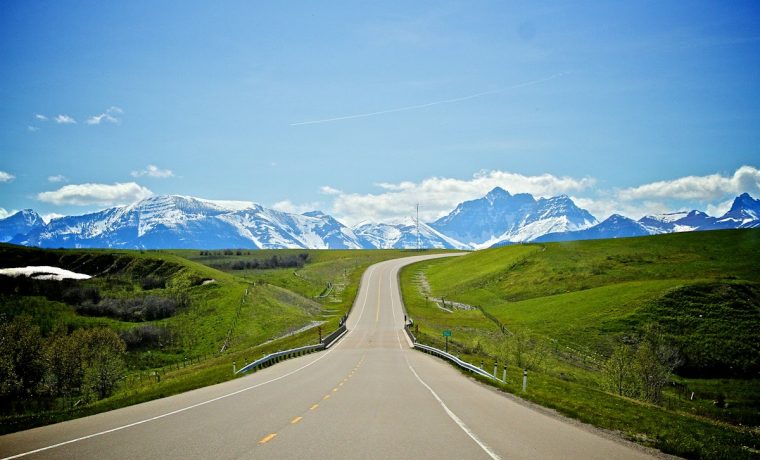
Mountain passes, open prairie highways and forest roads present different challenges. Adjust speed and following distance to the conditions, and never let a fixed reservation push you into unsafe travel.
The best winter road trip is not the one with the most stops. It is the one that balances scenery with sound decisions, reliable information and enough flexibility to enjoy the journey.