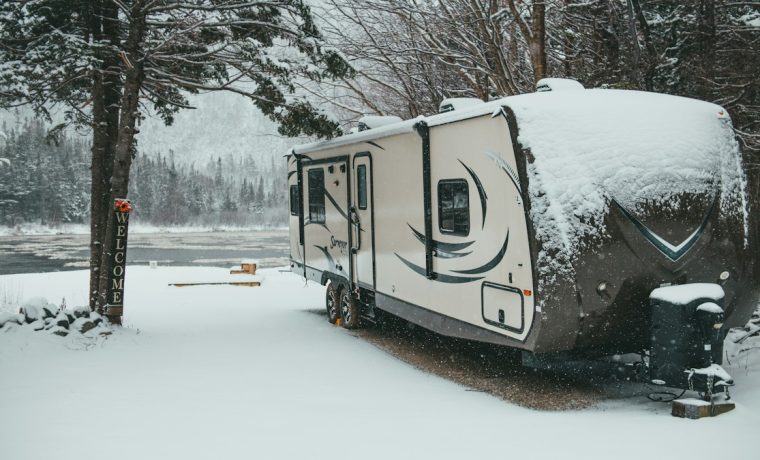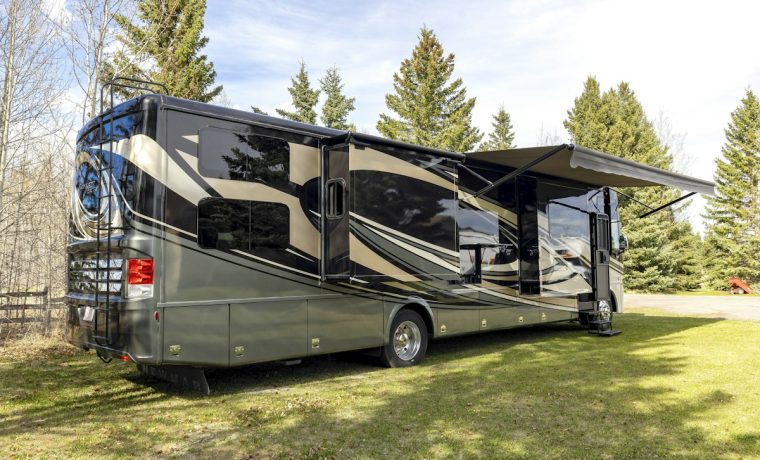
Not every RV site suits every rig or travel style. A spot that looks ideal in a photo may have a tight turn, limited leveling space or hookups in an inconvenient location. Checking a few practical details before booking can make arrival and setup much easier.
1. Confirm the site dimensions
Compare the site’s stated length and width with the full traveling length of your RV, including tow vehicle where relevant. Ask about obstacles, branches and turning space if your rig is large.
2. Verify the hookups you need
Check the electrical service, water availability, sewer connection and their locations. Confirm compatibility with your RV and bring only the adapters recommended for your equipment.
3. Ask about access and surface
Gravel, grass and paved pads behave differently in wet or freezing conditions. Find out whether the approach includes steep grades, narrow lanes or tight turns.
4. Think about leveling and drainage
A reasonably level pad reduces setup effort. Ask whether the site is sloped and how it drains after rain or snowmelt. Avoid assuming leveling blocks can solve every surface issue.
5. Match the location to your priorities
Some travelers value proximity to washrooms and shared amenities; others prefer a quieter area. Review campground maps and ask about road noise, activity areas and seasonal conditions.
6. Review pet and vehicle rules
Check leash requirements, pet areas, extra vehicle policies and quiet hours before arrival. Rules vary by property and may change seasonally.
7. Understand cancellation terms
Weather and travel conditions can disrupt plans. Read the cancellation window, deposit policy and any seasonal restrictions before paying.
8. Confirm the details close to arrival
Recheck check-in time, gate access, site assignment and current conditions. Contact the property if your arrival time or vehicle dimensions change.
A little research helps you choose a site that fits your RV and the kind of stay you want, rather than relying on a photo alone.