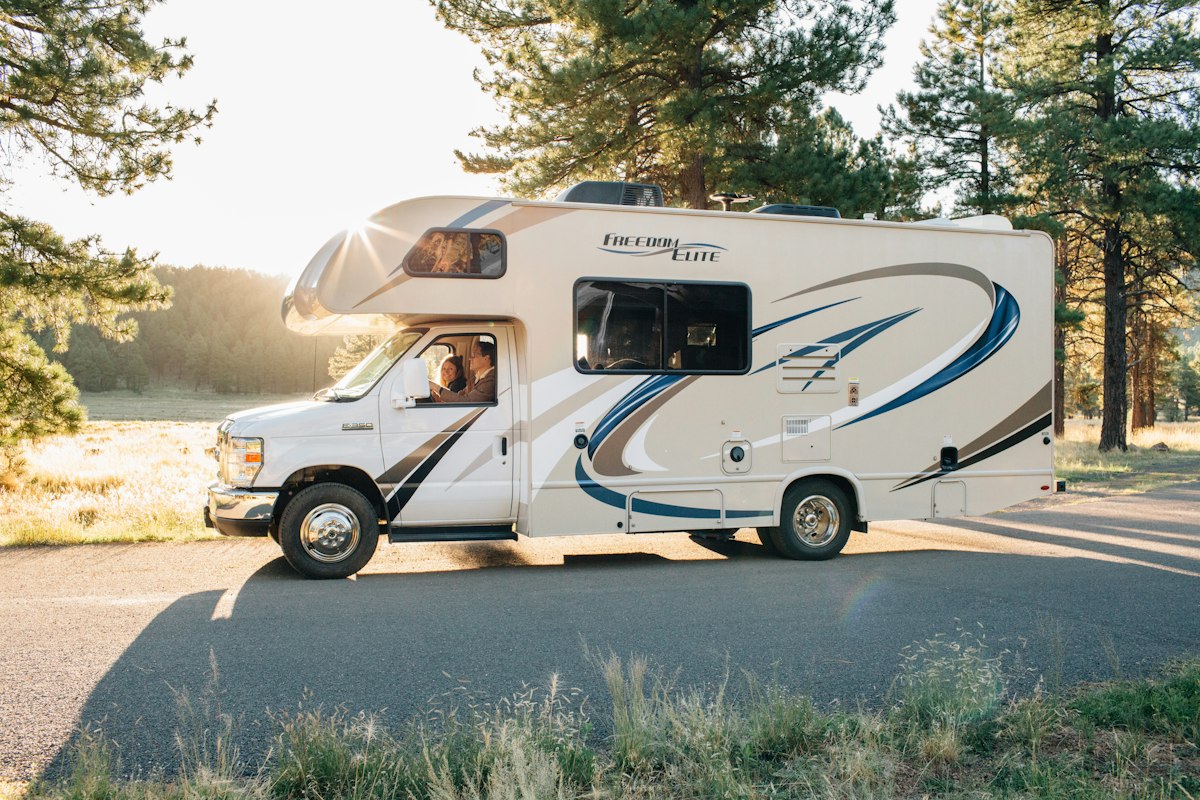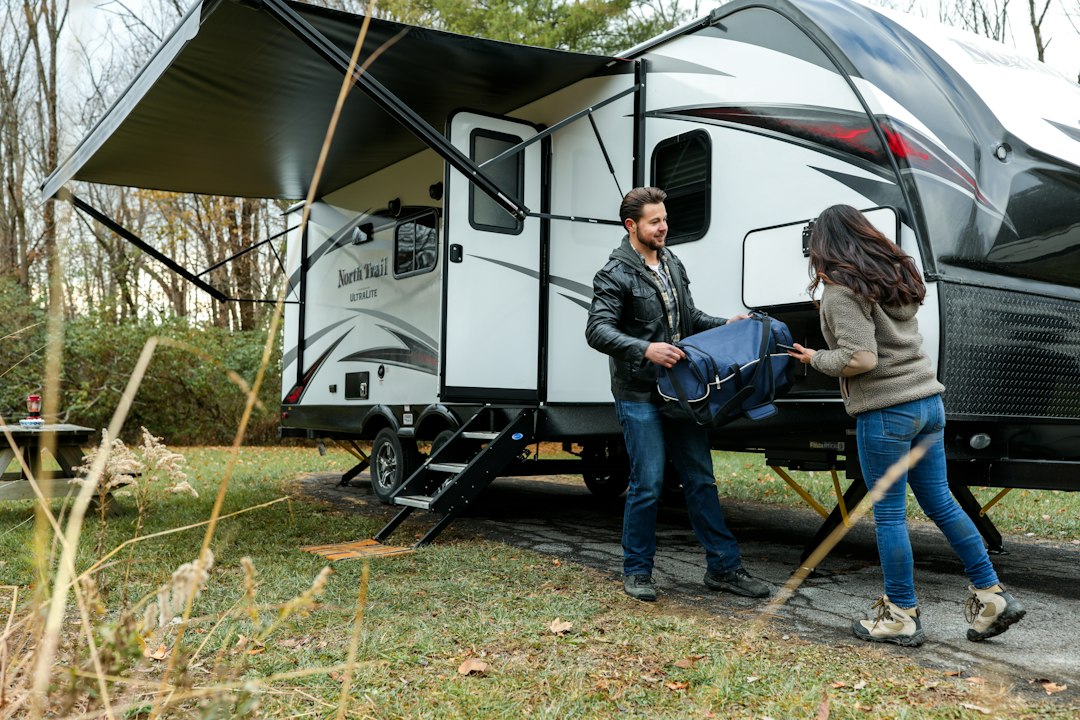
A few minutes of checking an RV before departure can help prevent avoidable problems at the campsite. Propane, carbon monoxide and electrical systems deserve particular attention because faults may not be obvious during a quick walk-around. Use the vehicle and appliance manuals as the authority for model-specific procedures.
Test alarms before every trip
Check the operation and expiry information for smoke, propane and carbon monoxide alarms according to the manufacturer’s instructions. Replace batteries or units when required. Never ignore an alarm or assume it is a false warning; move to fresh air and follow emergency guidance.
Inspect propane equipment
Look for damaged hoses, loose fittings, corrosion or signs of wear. If you smell propane, do not operate switches or create a flame. Shut off the supply only if it is safe to do so, leave the area and seek qualified assistance. Have suspected leaks checked by a trained technician.
Review electrical connections
Inspect power cords and plugs for cuts, heat damage or bent contacts. Use the electrical protection and connection method recommended for the RV and campground pedestal. If a breaker trips repeatedly or a connection becomes hot, disconnect safely and investigate rather than repeatedly resetting it.
Check tires and running gear
Use the tire pressure specified for the actual load and inspect sidewalls for cracks, bulges or embedded objects. Confirm lug nuts and running gear are maintained on the schedule in the owner’s manual.
Keep exits clear
Make sure doors, windows and emergency exits can open. Keep extinguishers accessible and ensure everyone knows where they are and how to use them.
Know when to call a professional
Do not improvise repairs to gas, electrical or braking systems. A qualified RV technician can inspect issues that require specialist tools or testing.
A consistent safety routine is easier to follow when it is written down and repeated before each trip. It supports a more relaxed stay because the essential checks are not left to memory.