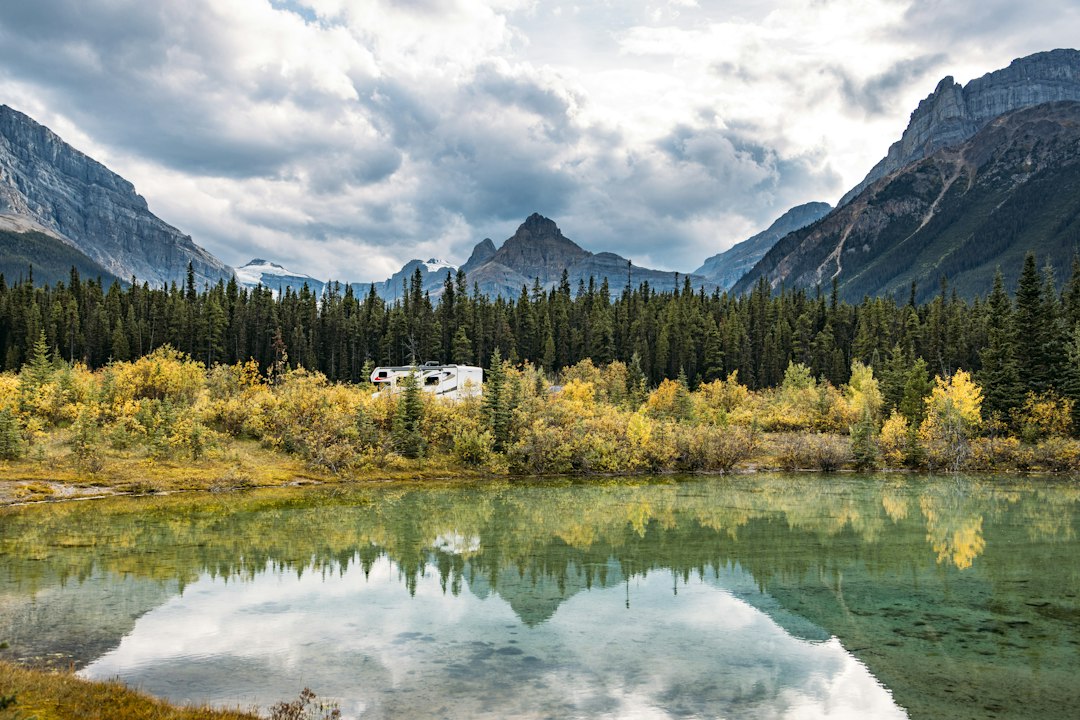
Late fall can be a rewarding time to explore Alberta: trails are quieter, views are crisp and the landscape changes quickly with the weather. It is also a season when a comfortable afternoon can turn cold, windy or icy with little warning. A good plan keeps the day enjoyable without assuming summer conditions still apply.
Check conditions close to departure
Look at the forecast for the exact area, not only the nearest city. Temperature, wind, precipitation and overnight lows can vary across short distances. Check park or trail advisories and be ready to change the destination if access or conditions are poor.
Start earlier and set a turnaround time
Daylight is shorter in November. Choose a route that leaves a margin for slower travel, breaks and unexpected delays. Tell someone where you are going and when you expect to return.
Dress for changing conditions
Use layers that can be added or removed, and carry a warm insulating layer even when the parking area feels mild. A wind-resistant outer layer, dry socks, gloves and a hat can make a major difference during exposed sections or long stops.
Pack the essentials
Bring water, food, a charged phone, a backup power source, a basic first-aid kit, a light source and a map that can be used offline. Do not rely on mobile coverage being available throughout the route.
Respect trail and wildlife conditions
Wet leaves can hide roots and rocks, while early ice can make shaded slopes slippery. Keep a conservative pace, give wildlife space and follow local restrictions. Turn around when footing, visibility or weather deteriorates.
Keep the plan flexible
A shorter lakeside walk, scenic drive or campground-based afternoon may be a better choice than a long hike on a marginal day. The goal is to enjoy the outdoors and return safely, not to complete a route at all costs.
With realistic timing, warm layers and current local information, late-fall adventures can still deliver memorable Alberta scenery.