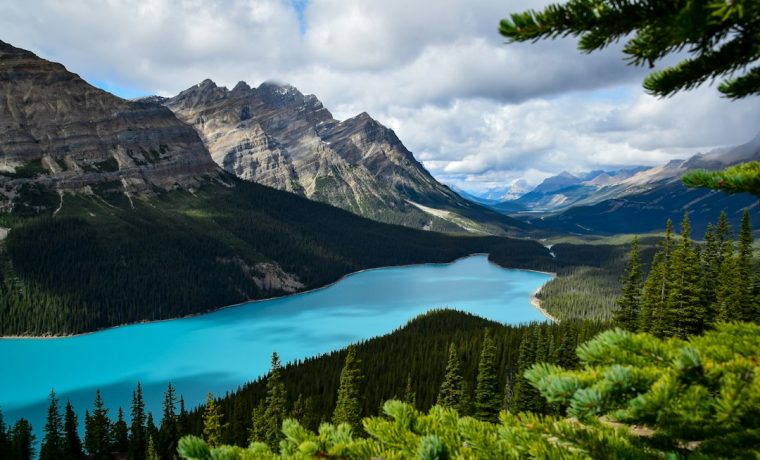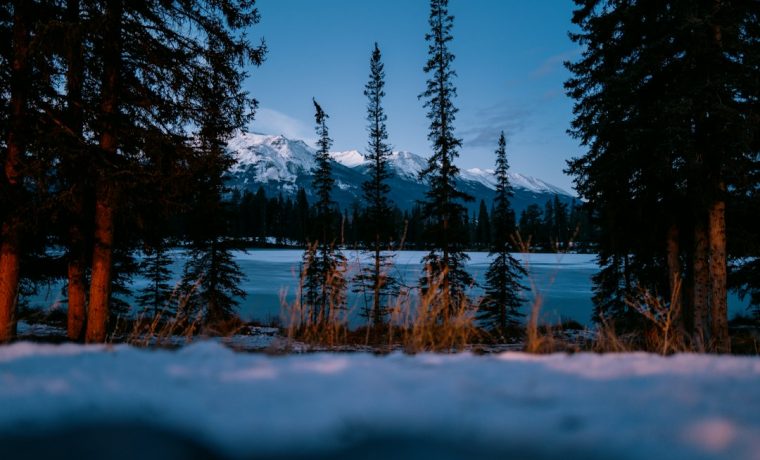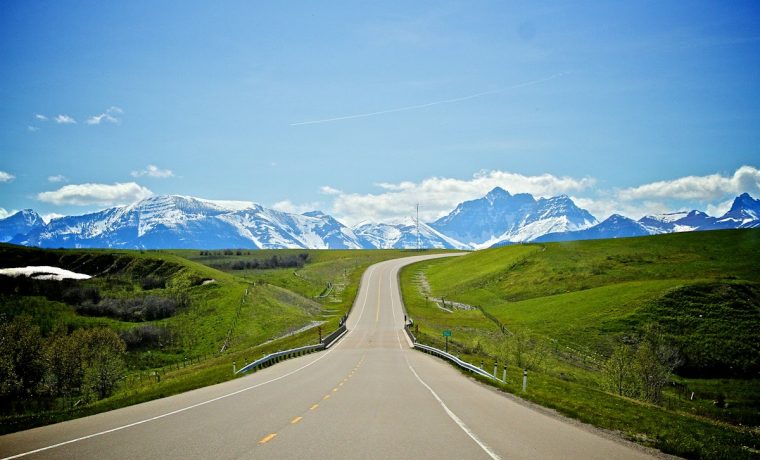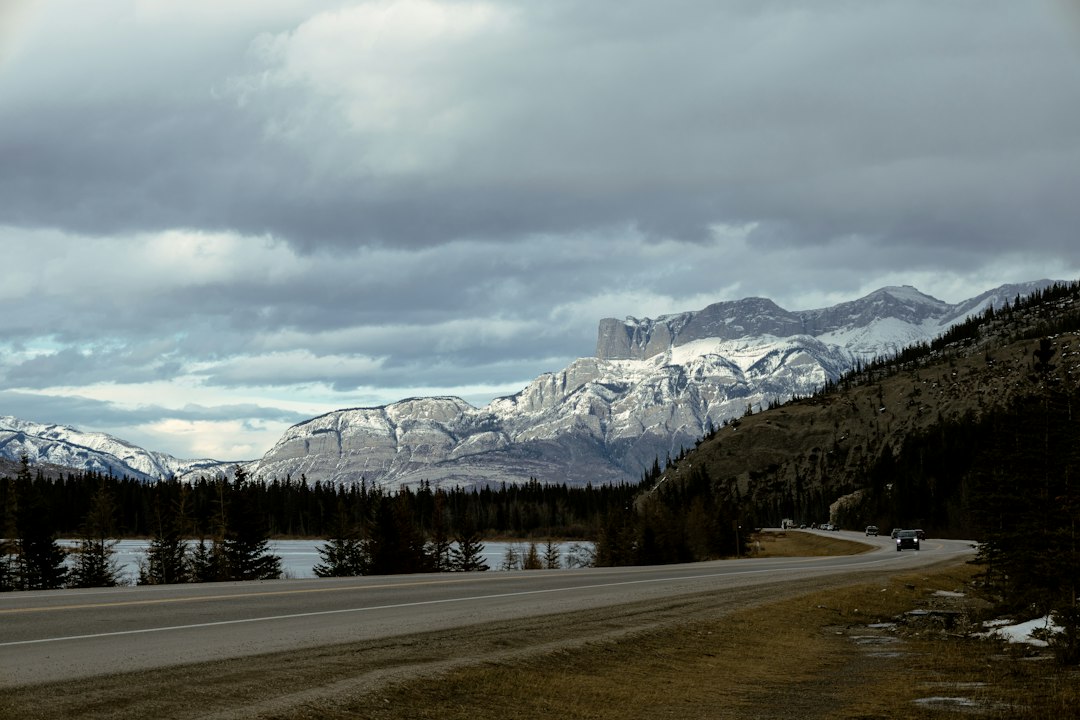
A road trip is more enjoyable when travel time leaves room for stops, meals and unexpected delays. Estimate driving hours rather than relying only on kilometres, and account for the size of the RV, fuel stops, roadworks and weather. Avoid planning a long arrival day after a tiring journey. A shorter route with time to explore can be more rewarding than a schedule filled with back-to-back destinations.
Check road and weather information close to departure
Conditions can change quickly across Alberta, especially in shoulder seasons and winter. Review official highway reports, weather alerts, construction notices and any restrictions that affect larger vehicles. Mountain routes may have steep grades, changing visibility or limited services. Confirm whether the RV is suitable for the route and know where safe stopping areas are available.
Reserve overnight stops with the RV in mind
When comparing campgrounds, check site length, hookups, road access, opening dates and check-in times. A location that works for a compact camper may not suit a longer motorhome or trailer. Confirm cancellation terms and whether late arrivals are accepted. Keep a backup option in mind in case weather or road conditions change the schedule.
Balance popular highlights with quieter time
Scenic viewpoints and well-known attractions can be busy during peak periods. Start early where appropriate, use designated parking and check access rules for RVs. Include quieter walks, local museums, small communities or rest days between major stops. The goal is to experience the region at a comfortable pace rather than collect as many stops as possible.
Prepare the RV and travel documents
Before departure, check tires, lights, brakes, hitch connections, mirrors, fluids and emergency equipment. Confirm insurance, registration, campground reservations and any required permits. Pack food and water for periods when services may be limited, and keep important documents accessible. Make sure everyone knows how to contact roadside assistance and where emergency supplies are stored.
Leave room to adapt
A good itinerary is a framework, not a contract. Build in flexible time for weather, fatigue, unexpected closures or a place you want to explore longer. Share the route with someone at home and check in if plans change significantly. With realistic driving days, verified conditions and suitable overnight stops, an Alberta RV getaway can feel organized without becoming rushed.
Photo: Vincent Y / Unsplash.